Find Quality Lands for Sale: Your Companion to Economical Property Investments
The real estate market offers diverse opportunities for those seeking affordable property investments. Grasping the subtleties of property value is crucial. Key factors, including economic indicators and zoning regulations, play a significant role in shaping these investments. Distinctive prospects emerge in developing regions, notably in the Midwest and South. Nevertheless, conditions are continuously shifting. What considerations should investors weigh before committing? The answer lies in a closer examination of the market dynamics.
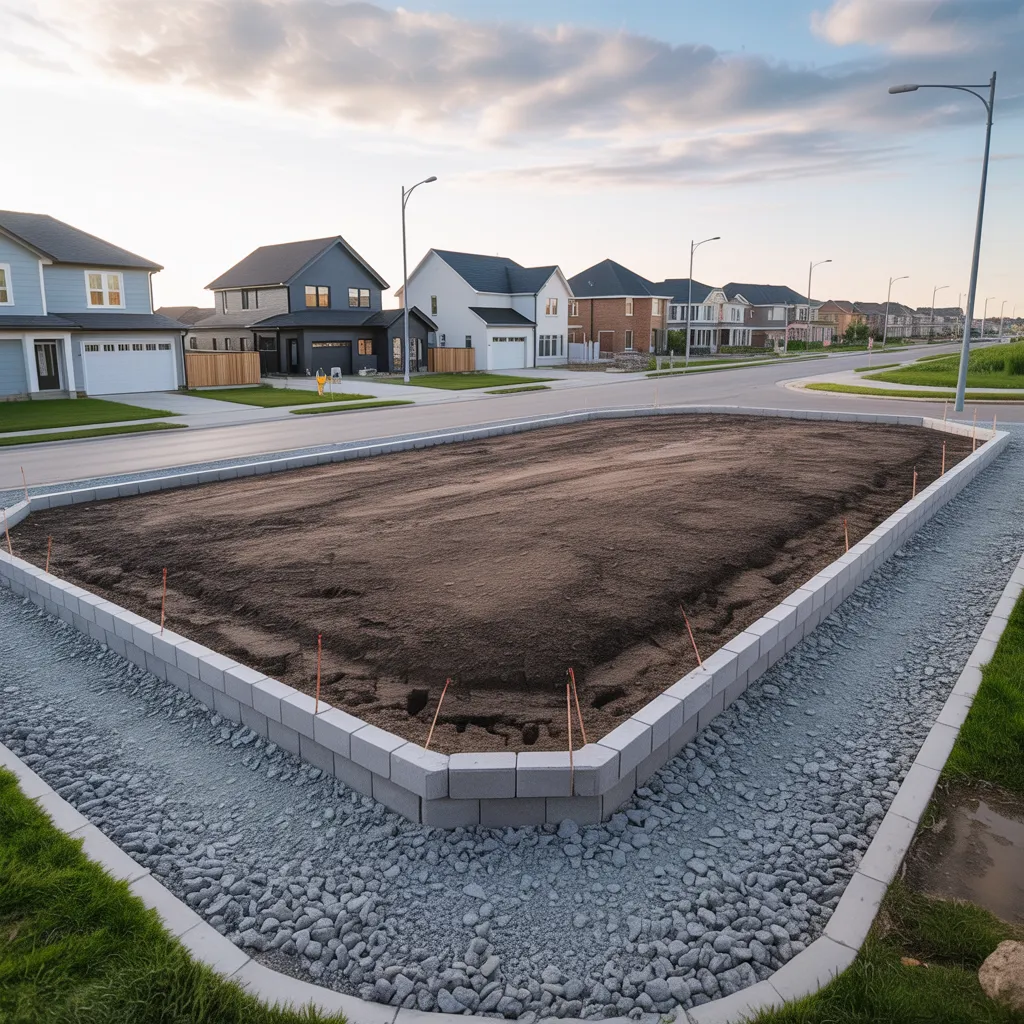
Comprehending the Housing Market
Comprehending the real estate market requires a keen awareness of multiple factors that influence property values and investment prospects. Investors should consider economic indicators such as employment rates, income levels, and population growth, as these elements considerably affect demand for housing. Moreover, trends in interest rates can impact buyers' purchasing power, which in turn impacts market dynamics.
Geographical positioning serves a vital function, as urban properties generally experience quicker appreciation compared to rural counterparts. Local facilities, educational zones, and safety statistics are equally important factors that impact appeal.
Additionally, understanding market cycles—characterized by phases of expansion, contraction, and recovery—can enable investors reach informed decisions about timing their investments. Lastly, local zoning laws and regulations can also shape the investment landscape, influencing potential property uses. Taken together, these factors create a complex environment that necessitates thorough analysis for successful real estate investing.
Important Considerations to Consider When Purchasing Land
When examining land purchases, numerous key factors substantially influence the decision-making process. First, location plays a significant role; proximity to amenities, schools, and transportation can determine long-term value. Second, zoning regulations must be thoroughly analyzed, as they define allowable uses and future development potential. Third, land topography and soil quality are important for those looking to build or farm, influencing both usability and costs. Additionally, access to utilities such as water, electricity, and sewage systems is essential for modern living standards. Environmental considerations, including flood zones and conservation areas, can also affect land viability. Finally, understanding the local real estate market trends will give insight into future appreciation and investment potential. Each of these factors should be meticulously evaluated to ensure a well-informed purchase that aligns with the buyer's goals and financial aspirations.
Key Regions for Budget-Friendly Property Investment Opportunities
What locations offer investors the finest opportunities for economical property investments? A number of growing markets showcase excellent alternatives. Regions like the Midwest United States, notably areas such as Ohio and Indiana, present minimal entry prices and prospects for development. In the South, cities like Atlanta and Charlotte are gaining traction for their expanding economies and relatively inexpensive land.
In addition, portions of Texas, like San Antonio and Houston, present economical options owing to their accelerated growth and population influx. For those seeking internationally, countries like Mexico and Portugal offer appealing real estate markets with competitive prices.
These areas not only provide lower property prices but also display strong opportunities for appreciation, making them ideal selections for investors aiming for affordability without giving up on future value. By focusing on these locations, investors can strategically position themselves in the property market.
Types of Land Investments to Explore
In examining land investments, multiple options bring unique opportunities for interested buyers. Residential land can support housing development, while commercial properties provide avenues for business ventures. In addition, agricultural land remains a worthwhile choice for those interested in farming or investing in food production.
Residential Property Opportunities
Investigating residential land possibilities delivers a varied array of investment choices for those looking to expand their property portfolios. Investors can examine vacant lots in emerging neighborhoods, which often provide lower prices and possibility for significant appreciation. In addition, purchasing land for single-family home development can produce rewarding returns, especially in regions with growing demand for housing. Investors may also explore subdividing larger parcels into multiple residential lots, maximizing profit potential. Moreover, raw land in suburban areas can attract to buyers looking for space away from urban centers. Each prospect requires detailed analysis of local market trends, zoning regulations, and infrastructure development to ensure a successful investment strategy that aligns with personal financial goals.
Commercial Property Investments
Investment professionals looking to broaden their portfolios beyond residential property opportunities may discover that commercial property investments offer a compelling pathway. These investments encompass various types of properties, featuring office buildings, retail spaces, warehouses, and mixed-use developments. Each classification provides specific benefits, including greater rental income and more extended lease agreements, which can provide consistent cash flow. Additionally, commercial properties typically appreciate at a quicker rate than view resource residential real estate, positioning them as an appealing avenue for long-term profits. Yet, they may call for a more considerable starting investment and carry varied risks, like market fluctuations and tenant turnover. Thus, educated decision-making and comprehensive market analysis are crucial for individuals pursuing success in commercial real estate ventures.
Farmland Opportunities
As most investors emphasize residential and commercial properties, agricultural land options present a unique opportunity for diversification. This type of investment can be appealing due to the increasing demand for food production and sustainable practices. Investors can select from various agricultural land types, including cropland, pasture, and orchards, each offering distinct advantages. Cropland often produces high returns through cash crops, while pastureland can provide steady income through livestock grazing. Orchards may demand a longer-term commitment but can result in lucrative harvests. Additionally, agricultural land investments typically have lower volatility versus urban real estate markets. All things considered, exploring agricultural land options permits investors to tap into a crucial sector that aligns with global sustainability trends.
Financing Options for Land Buying
How can potential buyers effectively finance their land purchases? Several options are available to prospective landowners. Traditional bank loans are a common choice, offering favorable interest rates and terms. Nonetheless, lending institutions may request a higher down payment for land in contrast to residential properties, usually around 20% to 30%.
One more choice is a land loan from specialized lenders, which might accommodate buyers seeking vacant or raw land. These loans may have different terms and interest rates, so careful comparison is essential.
For those with existing home equity, a home equity line of credit (HELOC) can supply a flexible financing alternative. Furthermore, some sellers may offer owner financing, enabling buyers to make payments directly to them over time. Finally, cash purchases can expedite transactions and may create opportunities for negotiating lower prices. Each choice has its benefits and downsides, necessitating thorough research and financial planning.
Methods for Achieving the Best Deal Through Negotiation
Strong negotiation techniques can substantially impact the final price of a property, making it vital for prospective buyers to approach the process with confidence and preparation. First, conducting comprehensive research on comparable properties provides useful insights that can be leveraged during negotiations. Understanding market trends and pricing will allow buyers to make informed offers.
Secondly, creating a clear budget beforehand helps preserve focus and avoids overspending. Purchasers should determine their maximum price and be ready to walk away if the seller's demands surpass this limit.
Furthermore, building a strong relationship with the seller can facilitate easier negotiations. Transparent communication and a respectful approach can bring about concessions that serve both parties.
Finally, timing can play a significant role; approaching negotiations during slower market periods may yield superior deals. By employing these strategies, buyers can increase their probability of securing top-quality land at an affordable price.
Future Trends in Land Investment Opportunities
What emerging factors are shaping the future of land investment opportunities? Growing urbanization and population growth are generating demand for available land, primarily in metropolitan areas. Technology innovations, such as drone surveying and blockchain, are boosting transparency and efficiency in land transactions. Moreover, environmental sustainability is developing into a priority, with investors looking for properties that support green developments or renewable energy projects.
Remote work patterns are additionally affecting land investments, as buyers search for properties in peripheral or country settings for lifestyle changes. Moreover, government incentives for affordable housing and infrastructure development are creating attractive investment opportunities.
When investors recognize these emerging patterns, they are likely to broaden their investments through investigating not only traditional residential and commercial properties but also land suited for agriculture, renewable energy, and mixed-use developments. This changing environment offers a bright outlook for those willing to adapt to changing market dynamics.
Common Questions
What Are the Tax Consequences of Buying Land?
Acquiring land often involves property taxes, potential capital gains taxes upon resale, and possible additional assessments based on land use. Tax implications can vary by location, necessitating careful research and consultation with a tax advisor.
What Impact Do Zoning Regulations Have on Land Investment Choices?
Zoning regulations substantially impact land investment decisions by defining acceptable land use, density, and development types. Real estate investors must analyze these regulations to secure compliance and maximize property potential, influencing future resale value and profitability.
Am I Allowed to Build on Land Without Permits?
Building on land without permits is usually not permissible. Local authorities generally require permits to ensure compliance with building codes, safety guidelines, and zoning laws. Disregarding these requirements can cause fines, legal complications, or forced removal of structures.
What's the Process to Verify Land Ownership and Boundaries?
To validate land ownership and boundaries, it's advisable to check public land records, verify property deeds, and possibly hire a qualified surveyor. Government agencies can provide necessary documentation and accurate boundary descriptions to ensure clarity.
What Are Common Mistakes to Avoid When Buying Land?
Frequent pitfalls to prevent when acquiring property consist of not completing thorough research on zoning laws, disregarding environmental assessments, neglecting to validate access rights, and avoiding consultation with property professionals or legal consultants ahead of buying.